Aesthetic tooth restoration in Yerevan
Chips, cracks, small gaps and stains on the enamel are corrected with light-cured composite right in the chair, usually in a single visit. Layers of material reproduce the colour and translucency of a natural tooth.
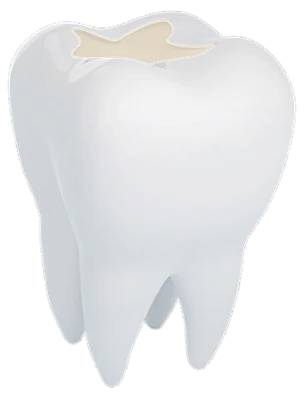
Aesthetic restoration corrects cosmetic flaws and mechanical damage to teeth without crowns or lab-made work. The general dentist uses a mouldable composite material that can closely reproduce the shape and texture of the tooth, the shade of the dentin and the translucency of the enamel.
It is a direct method: composite is applied to the tooth in layers right in the mouth and cured with the light of a curing lamp, with no impressions and nothing made in a laboratory. The denser dentin is built up first, then the lighter, translucent enamel and the biting edge, and finally the restoration is shaped and polished. It usually takes one visit under local anaesthesia, and one or several teeth in the smile zone can be restored at a time.
When restoration is not suitable
- more than half of the tooth is destroyed;
- bruxism — uncontrolled teeth grinding;
- a fractured tooth or a deep crack reaching the root;
- wide gaps between teeth or severely crooked teeth.
In such cases the dentist will discuss other options with you — ceramic inlays, crowns or veneers made by a prosthodontist. If the tooth has decay or inflammation, it is treated first and the restoration is postponed.
Over time composite can stain from coffee, tea and tobacco, so a restoration needs regular professional hygiene and polishing. Book a consultation at iOrtho in Yerevan: the dentist will examine your teeth, assess whether aesthetic restoration suits you and propose a plan.
Benefits
Usually one visit
Direct restoration needs no impressions or lab stage — the tooth is restored right in the chair.
Minimal intervention
The dentist preserves as much healthy tissue as possible; sometimes only the surface of the tooth needs preparing.
Colour and translucency like enamel
Layers of composite of different density reproduce the depth of the dentin colour and a translucent edge.
Easy to adjust
If a restoration chips or wears, it can be repaired or replaced, and its shade and shape can be changed if you wish.
More affordable than ceramics
As a rule, it costs less than ceramic veneers, inlays and crowns.
Indications
- Chips and cracks on the tooth surface, uneven or worn edges
- Darkened enamel and stains that do not respond to whitening
- Fluorosis or enamel hypoplasia (thinning)
- Small gaps between the front teeth and elsewhere in the arch
- Cosmetic flaws of individual teeth in the smile zone
Treatment stages
- 1.
Examination and X-rays
The general dentist examines the teeth and gums and checks X-rays for infection in the tooth and its canals. If there is any, it is treated first.
- 2.
Preparation
Local anaesthesia, cleaning plaque off the tooth surface and rubber dam isolation to keep saliva away.
- 3.
Preparing the tooth
The dentist removes enamel to the required depth or only lightly smooths a chipped edge, then treats the surface with a gel for a better composite bond.
- 4.
Layer-by-layer build-up
Denser dentin is recreated first, then lighter translucent enamel and the biting edge; each layer is cured with a lamp.
- 5.
Polishing and bite check
The restoration is shaped and polished, and the bite is checked and adjusted if needed so it feels comfortable and does not harm the opposing teeth or the soft tissues.
What's included
- Examination and choice of the composite shade
- Local anaesthesia and rubber dam isolation
- Layer-by-layer restoration with light-cured composite
- Shaping, polishing and a bite check
- Advice on hygiene and diet
Care rules
Gentle brushing
Morning and evening, use a soft brush and a toothpaste without coarse abrasives so the composite does not get micro-scratches.
Between the teeth
Clean these spaces with a water flosser, interdental brushes or a single-tuft brush, gently so as not to hurt the gums.
Food
Do not crunch hard candy, whole nuts or rusks, and eat sticky sweets less often. Coffee, tea and tobacco stain composite over time.
Whitening
Composite does not lighten. If you are planning whitening, discuss it with your dentist in advance.
Polishing and check-ups
Every 3–6 months, professional hygiene and polishing of the restorations; at least once a year, a check-up with a general dentist.
Questions and answers
Will the restoration be noticeable?
The dentist matches the composite shades and applies them in layers: an opaque layer reproduces dentin and a translucent one reproduces enamel and the edge. With this technique a restoration can look very close to a natural tooth.
How long does a restoration last?
It depends on the size of the defect, the load and how you care for it: the smaller the restoration, the longer it usually lasts. Back teeth carry more load, so restorations there usually last less than on front teeth. Bruxism and bite problems shorten their life.
Restoration or veneers?
Composite restoration works well for chips, cracks, stains and small gaps. If you want to noticeably change the colour and shape of several teeth, or a tooth is more than half destroyed, the dentist may suggest ceramic veneers, inlays or crowns — stronger options made by a prosthodontist.
Can a restoration darken?
Composite is microporous and over time can absorb pigments from coffee, tea and tobacco. Regular professional hygiene and polishing help keep it looking good; if needed, the restoration is refreshed.
What should be done before a restoration?
First the dentist checks the tooth for decay and inflammation and treats them if needed. Professional hygiene beforehand is useful: the shade is matched more accurately on clean teeth. If you are planning whitening, discuss it with the dentist in advance: composite does not lighten, so whitening is usually done before the restoration.
Book a consultation
Related services
Caries treatment in Yerevan
From the white-spot stage to a tooth-coloured filling
Caries treatment in YerevanPulpitis treatment in Yerevan
Root canal treatment to save your own tooth
Pulpitis treatment in YerevanProfessional teeth whitening in Yerevan
Several shades lighter, under a dentist’s supervision
Professional teeth whitening in Yerevan