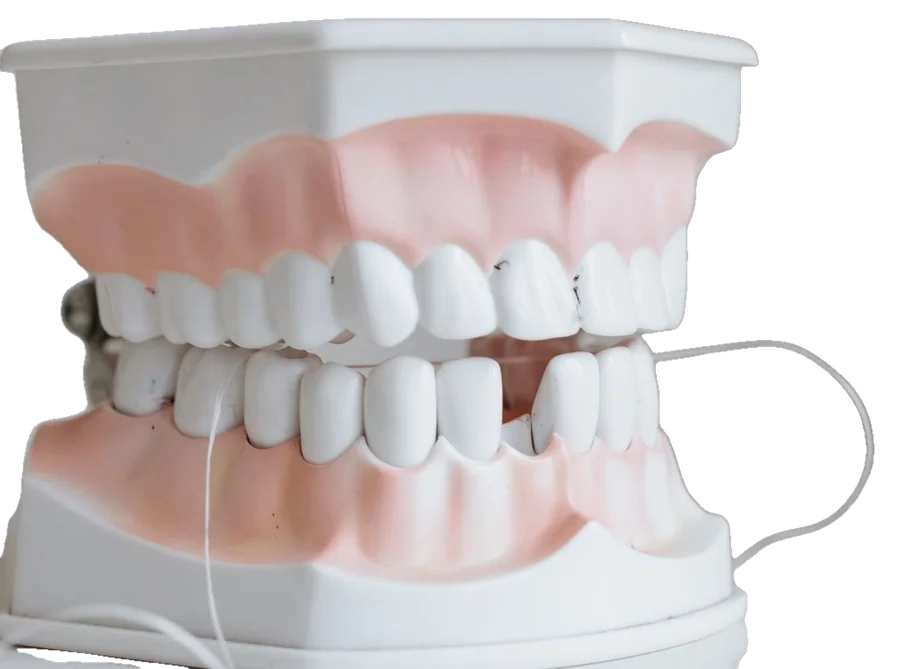
Professional teeth cleaning in Yerevan
We remove soft plaque, stains and tartar — including where a toothbrush cannot reach — then polish the teeth and strengthen the enamel with a fluoride gel. It is the basis for preventing decay and gum inflammation.
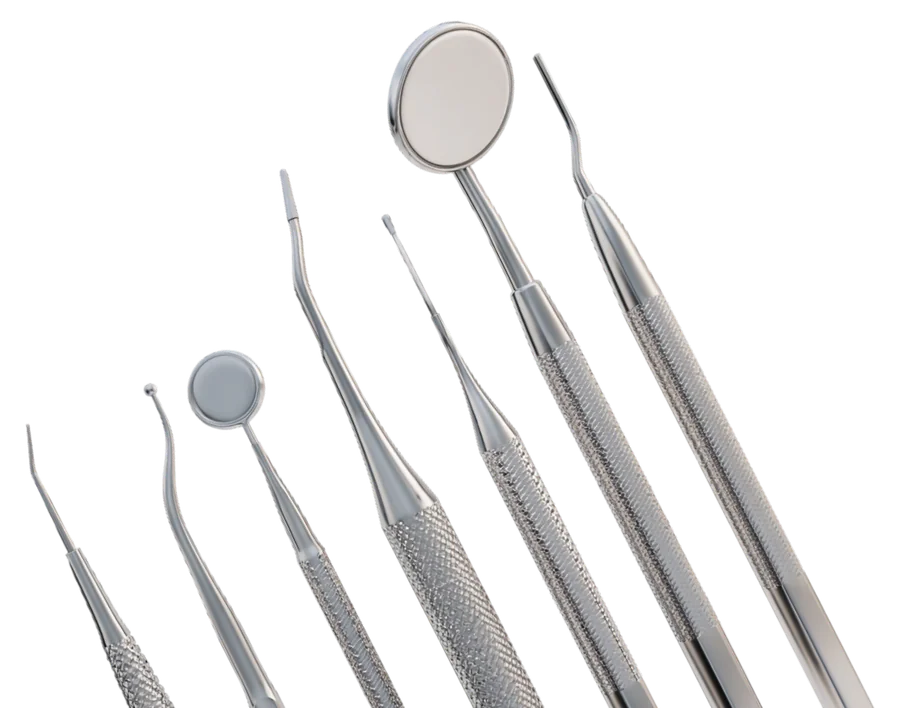
Professional oral hygiene removes the deposits that an ordinary toothbrush and toothpaste cannot. The hygienist pays particular attention to the spaces between the teeth, the area along the gum line and the places where the gum meets fillings, crowns and veneers — this is where plaque builds up fastest.
Plaque is home to bacteria that feed on sugars from food debris and release acids, which damage the enamel and lead to decay. Hard tartar presses on the gum and keeps the inflammation going: the gums turn red, bleed and may recede over time. By removing plaque and tartar we lower the risk of decay and gum disease. Bad breath goes, stains from coffee, tea and tobacco disappear, and the teeth return to their natural shade.
Cleaning is not only for when something already bothers you. It is recommended before dental treatment and prosthetics, before implant placement and extractions, before in-office whitening, and before and during treatment with braces or aligners. For prevention, a visit every 4–6 months is usually enough — the doctor will set the exact interval for you.
The procedure has several steps: an examination, plaque disclosing, ultrasonic cleaning and air polishing, polishing, cleaning between the teeth and fluoride treatment. At the end the hygienist chooses products for your home care and shows you how to use them.
Book a professional hygiene visit at iOrtho in Yerevan: the doctor will examine your teeth and gums, clean them and explain how to keep the result at home for longer.
Benefits
Natural tooth colour
Yellow and brown stains from coffee, tea and tobacco disappear — the teeth look clean and cared for and return to their natural shade.
Caries prevention
We remove bacterial plaque along the gum line, in the fissures and between the teeth, which lowers the risk of decay, including at the neck of the tooth.
Gum health
Once tartar and plaque are gone, gum inflammation and bleeding usually ease. In early gingivitis this, together with proper home care, is often enough to relieve the symptoms.
Fresh breath
We remove the main cause of bad breath — the bacteria living in tartar and dense plaque. With proper home care the fresh feeling lasts a long time.
Gentle and comfortable
The hygienist adjusts the instruments to the sensitivity of your teeth and, if needed, applies a numbing gel.
Care at home
We choose the right toothpaste, a brush of suitable stiffness, floss, interdental brushes or a water flosser, and show you how to brush so the result lasts longer.
Indications
- Routine prevention — usually every 4–6 months
- Bleeding or inflamed gums, bad breath
- Tartar, plaque and stains from coffee, tea or tobacco
- A check-up or treatment with a general dentist — on clean teeth the doctor sees decay more accurately and matches the filling shade
- Preparation for prosthetic work: inlays, veneers, crowns, bridges
- Before implant placement, extractions and other surgical procedures
- Preparation for in-office whitening
- Before braces or aligners and during treatment — every 3–4 months
Treatment stages
- 1.
Meeting your hygienist
The hygienist listens to your wishes, examines your teeth and gums and assesses the amount and type of deposits. If needed, the teeth are photographed — the pictures make it easy to track changes and compare the result.
- 2.
Plaque disclosing
A special dye makes fresh and old plaque visible and shows the areas most often missed when brushing at home.
- 3.
Removing tartar and plaque
A water-cooled ultrasonic scaler breaks up and gently lifts off tartar, including just below the gum line. A jet of air, water and fine powder removes soft plaque and stains from the enamel and between the teeth.
- 4.
Polishing
The teeth are polished with brushes and paste, and the contact surfaces with thin polishing strips and floss. Smooth enamel collects new plaque more slowly.
- 5.
Fluoride and advice
A gel with fluoride, calcium and phosphorus is applied to the enamel to strengthen it and reduce sensitivity after cleaning. The hygienist chooses products for home use and shows you the right brushing technique.
What's included
- Examination of the teeth and gums
- Plaque disclosing to find problem areas
- Ultrasonic tartar removal
- Air polishing to remove soft plaque and stains
- Polishing and cleaning between the teeth
- Fluoride treatment and a choice of home-care products
Care rules
Right after cleaning
Do not eat or drink for a while — the hygienist will tell you how long — so the fluoride gel has time to work.
Staining food and drinks
For the first while, cut down on coffee, strong tea, red wine and smoking: freshly cleaned enamel can pick up stains more easily.
Home hygiene
Brush twice a day and use the products the hygienist recommended — floss, interdental brushes, a water flosser.
Sensitivity
If your teeth react more to cold and heat for a while, a toothpaste for sensitive teeth helps. If the sensitivity does not go away, come in for a check-up.
Your next visit
Repeat professional hygiene on the schedule your doctor sets — usually every 4–6 months, or every 3–4 months with braces or aligners.
Questions and answers
Does professional cleaning hurt?
Usually not: most people feel only mild discomfort. The hygienist adjusts the instruments to how sensitive your teeth are and can apply a numbing gel if needed. If some teeth are especially sensitive, say so before the cleaning starts.
How often do I need professional hygiene?
Usually every 4–6 months, even with good home care. During treatment with braces or aligners, every 3–4 months. The doctor sets the exact interval based on the condition of your teeth and gums.
Can cleaning damage the enamel?
Not when done correctly: ultrasonic scaling and air polishing remove deposits, not enamel. Polishing leaves the tooth surface smooth, and fluoride treatment strengthens it further.
Does cleaning whiten the teeth?
Cleaning does not change the natural colour of the enamel, but it removes plaque and stains, so the teeth look lighter and return to their natural shade. If you want them lighter than that, the doctor will tell you about whitening — professional hygiene is its required first step.
Are there any contraindications?
Yes. The procedure is postponed during acute respiratory infections and while there are open wounds in the mouth. With severe general illnesses in a decompensated stage, a risk of heavy bleeding or growths in the mouth, the doctor decides after an examination. That is why the hygienist always asks about your health before cleaning.