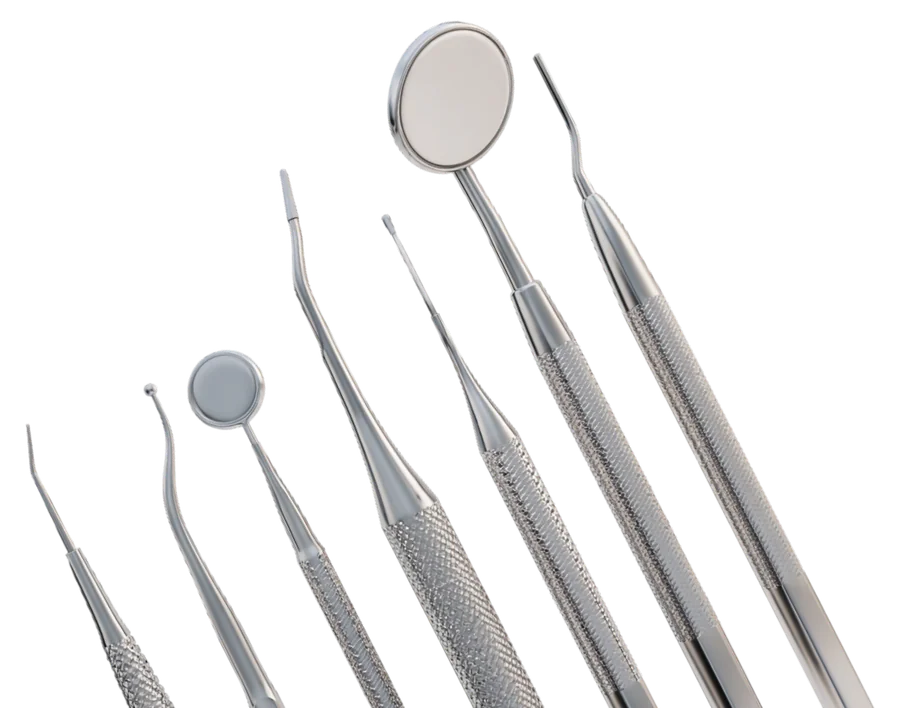
Gum treatment in Yerevan
Bleeding, swelling and bad breath are common first signs of gum inflammation. The earlier treatment begins, the simpler it is and the better the chance of keeping your own teeth.
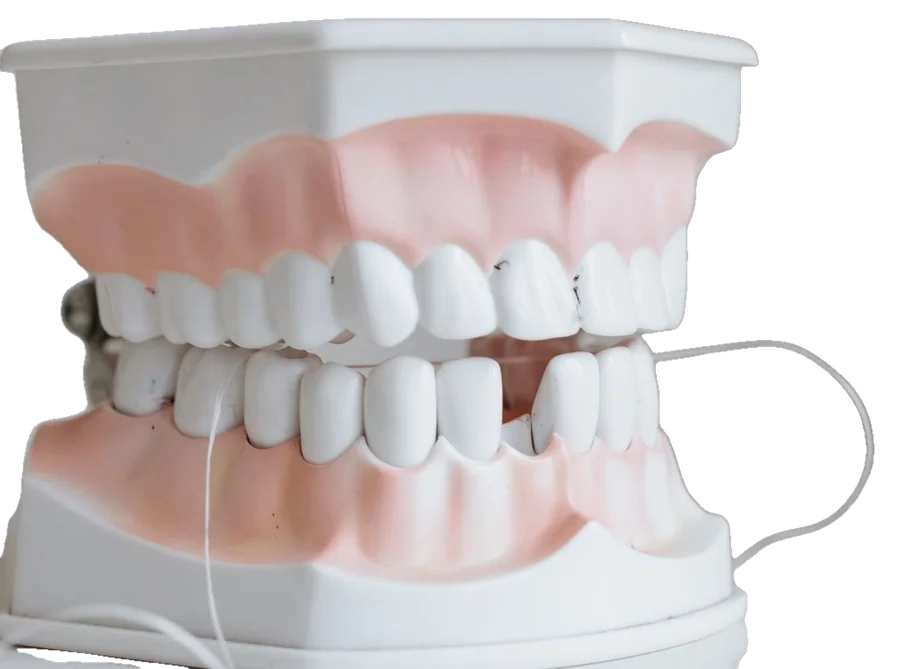
Periodontitis is inflammation of the tissues that support a tooth: the gum, the ligament that holds the tooth in its socket and the bone around the root. It is usually preceded by gingivitis — inflammation of the gum margin caused by plaque and tartar. The disease develops slowly and causes little trouble for a long time, so its first signs are easy to miss, while its consequences are much harder to treat.
How the disease progresses
- Early stage. The gums bleed when you brush or floss, turn red, swell and sometimes hurt when pressed.
- Progression. The inflammation spreads from the gum to the tissues around the root: bad breath persists even with good hygiene, the gums recede and the teeth look longer.
- Advanced stage. Pain even with soft food, sharp sensitivity to hot, cold, sour and sweet, pus from under the gum; the teeth begin to loosen and may fall out.
The risk rises with poor oral hygiene, smoking, too much sugar and a lack of vitamins. A doctor notices many signs of inflammation before the patient does, which is why regular check-ups matter so much.
Treatment depends on the stage. Early on, professional hygiene, anti-inflammatory treatment and proper home care are usually enough. If periodontal pockets have formed between the gum and the tooth, they are cleaned — for example by closed curettage. Advanced cases may need surgical treatment, and a receding gum may call for a plastic procedure to cover the recession.
Book a consultation at iOrtho in Yerevan: the doctor will examine your gums, determine the stage of the disease and propose a treatment plan.
Benefits
Treatment matched to the stage
The plan depends on how far the inflammation has gone: from professional hygiene and anti-inflammatory therapy to curettage and surgery.
Keeping your teeth
The aim of treatment is to stop the inflammation and the breakdown of the tissues around the tooth while your own teeth can still be saved.
Starting with the cause
Professional hygiene removes plaque and tartar — the main cause of the inflammation. Treatment at any stage starts with it.
Under local anaesthesia
Curettage and surgical steps are done under local anaesthesia; the doctor chooses the anaesthetic with your health in mind.
Gum aesthetics
Recession coverage covers exposed tooth necks and roots: the gum line looks more even, and tooth sensitivity may decrease.
Follow-up after treatment
Check-ups and maintenance hygiene help keep the result and catch a flare-up early.
Indications
- Gums that bleed when you brush or eat
- Red, swollen or tender gums
- Bad breath that persists even with good hygiene
- Tartar and heavy plaque along the gum line
- Receding gums: the teeth look longer, their necks and roots are exposed
- Teeth sensitive to hot, cold, sour and sweet
- Pus from under the gum, loose teeth
- Preparation for implants, prosthetic work or orthodontic treatment
Treatment stages
- 1.
Consultation and diagnostics
The doctor asks about your complaints and general health, examines the gums, checks the depth of the periodontal pockets and the mobility of the teeth and, if indicated, orders an X-ray.
- 2.
Professional hygiene
Removal of plaque and tartar above and just below the gum line, then polishing. Treatment at any stage begins here.
- 3.
Anti-inflammatory treatment
Antiseptic treatment of the gums and, if indicated, medication. In severe cases antibiotics are prescribed only by the doctor.
- 4.
Closed curettage
If periodontal pockets have formed, the doctor cleans them under local anaesthesia, removing deposits below the gum and inflamed tissue and smoothing the root surface — without cutting the gum.
- 5.
Surgery when indicated
Deep damage may require gum surgery, and a receding gum may call for recession coverage — a plastic procedure that covers exposed tooth necks and roots. The doctor determines the extent of the procedure.
- 6.
Maintenance care
Check-ups and professional hygiene on the schedule your doctor sets help maintain the result of treatment.
What's included
- Gum examination and measurement of periodontal pocket depth
- A treatment plan based on the stage of the disease
- Professional hygiene: removal of plaque and tartar
- Antiseptic and anti-inflammatory treatment
- Closed curettage or surgery — when indicated
- Home-care advice and a schedule of follow-up visits
Prices
| Service | Price |
|---|---|
| Gum treatment | On request |
| Closed curettage (one tooth) | On request |
| Gum recession coverage | On request |
Care rules
Home hygiene
Brush twice a day with a soft brush, use floss or interdental brushes and the mouthwash your doctor recommends.
After curettage or surgery
For the first few days choose soft food at room temperature and clean the treated area gently. Your doctor will give you detailed instructions.
No smoking
Smoking raises the risk of gum disease and slows healing — if you can, give it up, at least during treatment.
Diet
Less sugar, more vegetables and fruit: a balanced diet together with good hygiene lowers the risk of new inflammation.
Follow-up visits
Come for check-ups and professional hygiene on your doctor's schedule — that way any flare-up is caught early.
Questions and answers
My gums bleed when I brush — should I see a dentist?
Yes. Bleeding is a common first sign of gum inflammation. Left untreated, it can progress to periodontitis and affect the bone around the teeth. At an early stage treatment is simpler: usually professional hygiene, anti-inflammatory therapy and proper home care.
What is closed curettage?
It is the cleaning of periodontal pockets — the spaces between the gum and the tooth where deposits and bacteria collect. Under local anaesthesia the doctor removes tartar below the gum and inflamed tissue and smooths the root surface without making any incisions. It is generally used for shallow pockets; for deeper ones the doctor may suggest a different treatment.
Can exposed tooth roots be covered?
Often, yes. Recession coverage is a plastic procedure on the gum that covers exposed tooth necks and roots with soft tissue. The inflammation and the cause of the receding gum are dealt with first; whether the procedure suits you and which technique to use, the doctor decides after an examination.
Can periodontitis be cured?
Treatment aims to stop the inflammation and the breakdown of the tissues around the teeth. The earlier it starts, the better the chance of keeping the teeth. Lost bone cannot always be restored, so regular check-ups and maintenance hygiene matter after treatment.
Is gum treatment painful?
Professional hygiene is usually done without anaesthesia or with a numbing gel, while curettage and surgical steps are carried out under local anaesthesia. The gums may feel tender for a few days afterwards; the doctor will explain how to ease this.